Designing the line
before a single unit
goes through it.
KinNect needed a fulfillment partner for a physical product: a Raspberry Pi and Arduino-based device in a custom enclosure, built and shipped in batches. We built the provisioning plan first, so the first unit that ever goes down the line is built exactly the same way as the thousandth.
The risk isn't
one bad step.
It's drift.
Every unit has to come off the line built the same way, flashed with the right firmware, quality checked against the same standard, and traceable back to the exact job and batch it came from. That's not a design problem. It's a production problem.
A step gets done slightly differently by whoever's on the bench that day, nobody notices until burn-in, and now it's a batch problem instead of a unit problem. We needed a plan that made the right way to build it the only way to build it, before a single device went through the line.
Eight stations.
One checkpoint at a time.
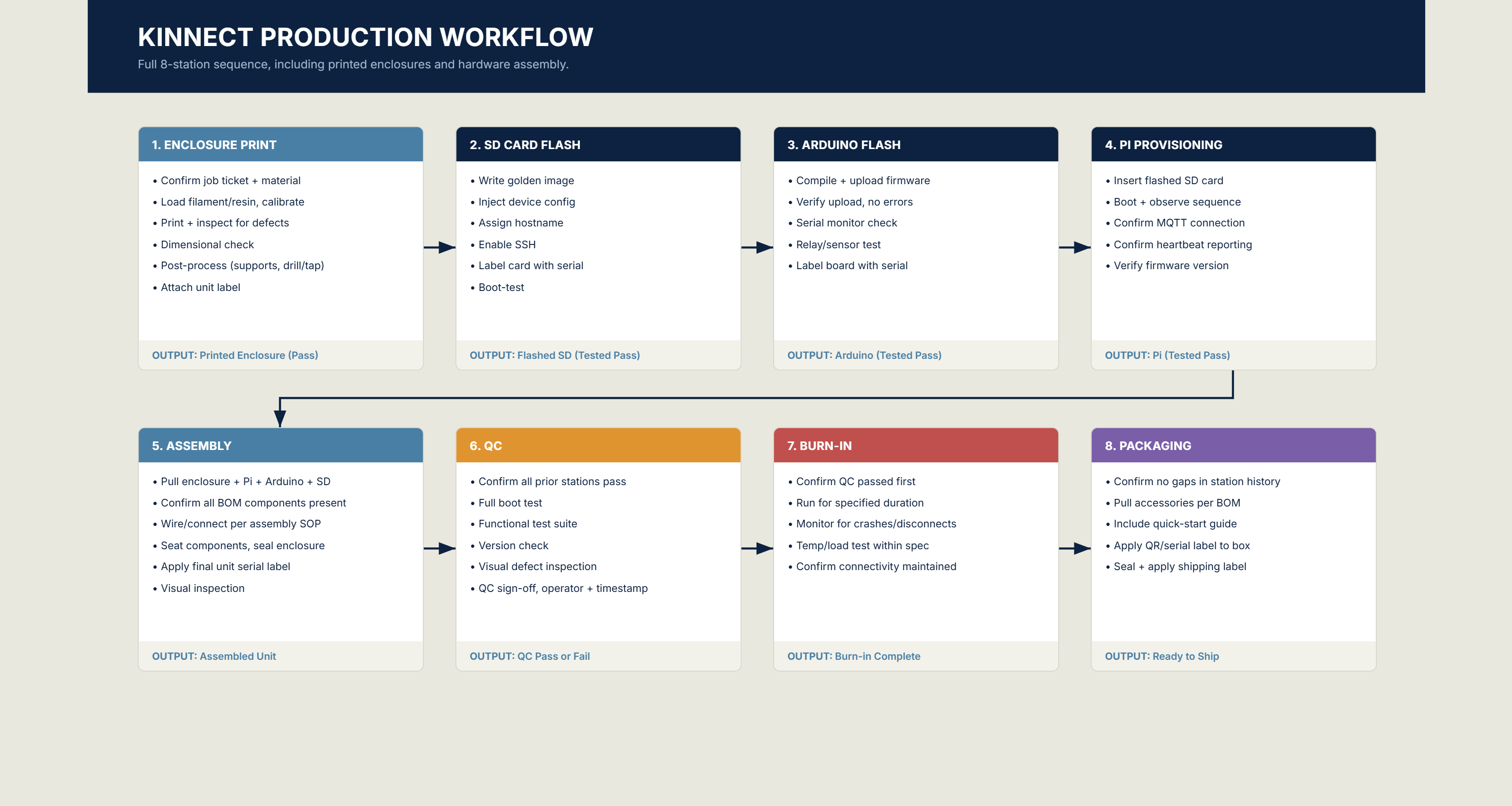
Every unit passes through the same eight stations in the same order. Each one is a checkpoint a unit has to clear before it moves on, not a step someone remembers to do.
A written instruction.
A checkable standard.
Every station carries two things, and neither one is optional. Together they turn "someone did something and moved on" into a standard that can actually be checked.
Built for the volume,
not one device at a time.
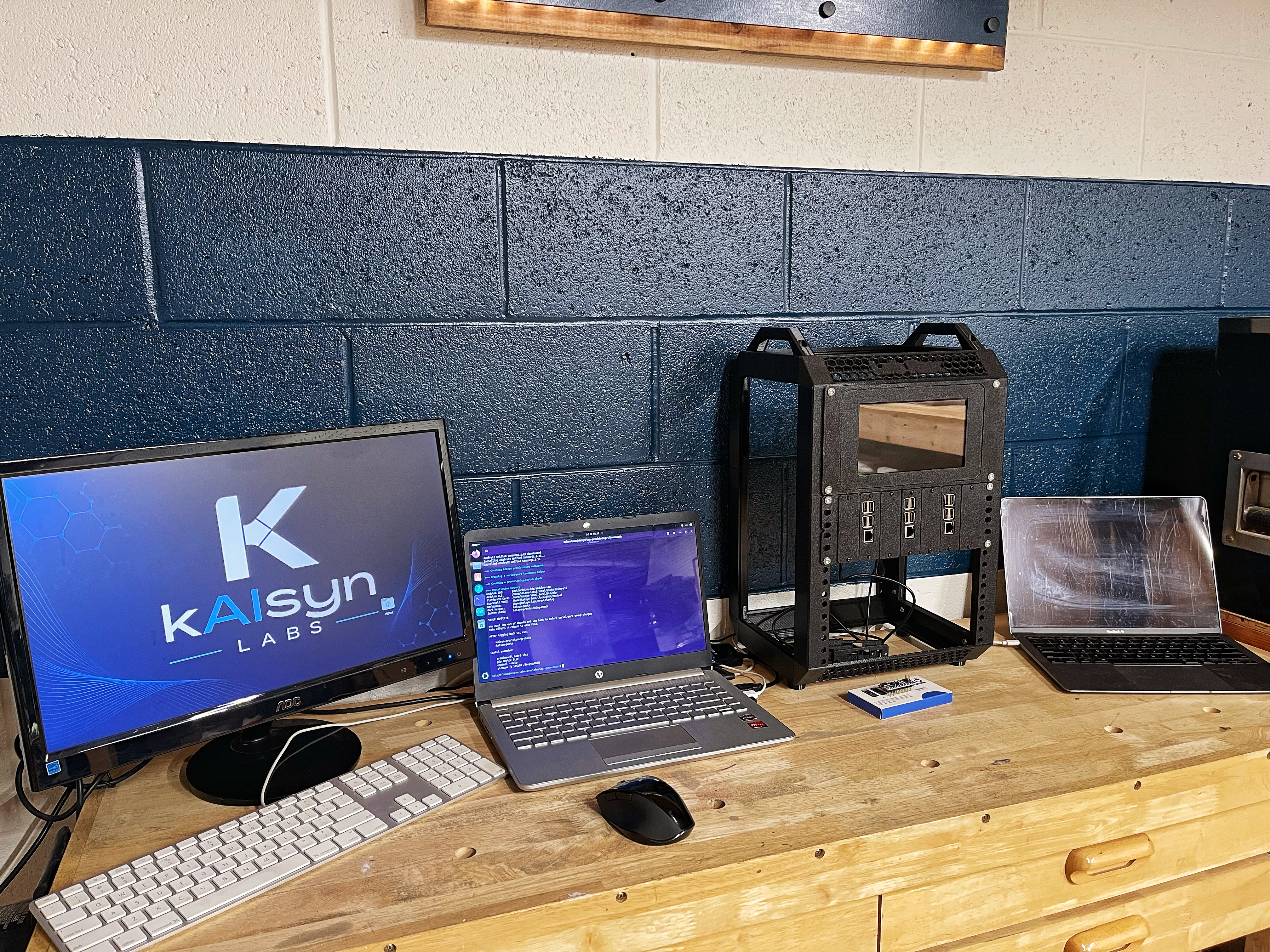
A dedicated rack enclosure with a QC window, built to flash SD cards and Arduinos at the throughput this work actually needs, rather than doing it one laptop and one device at a time.
The physical setup mirrors the station plan: everything staged so a unit moves through provisioning without the process depending on whoever happens to be at the bench that day.
The enclosure the plan
is built around.
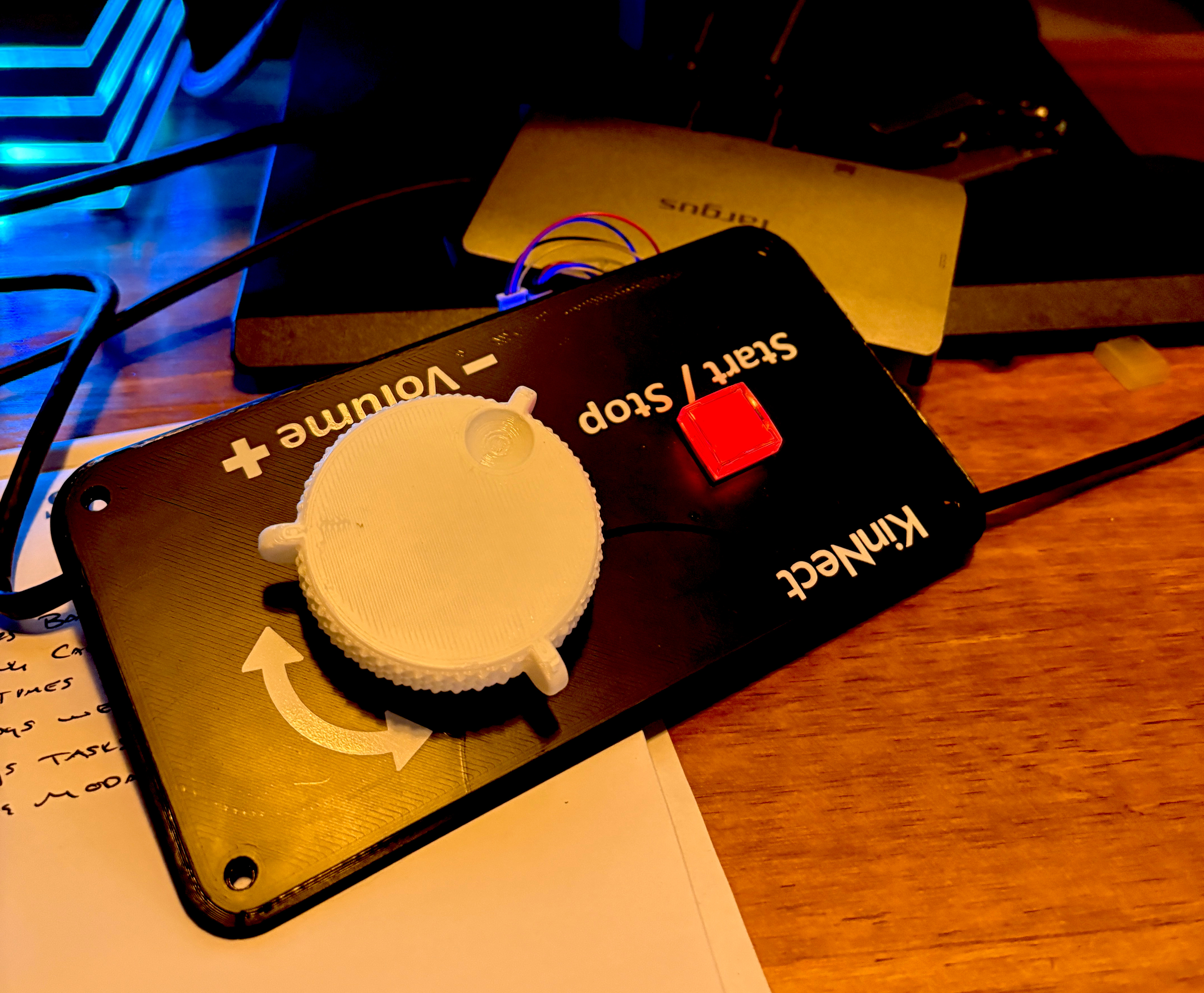
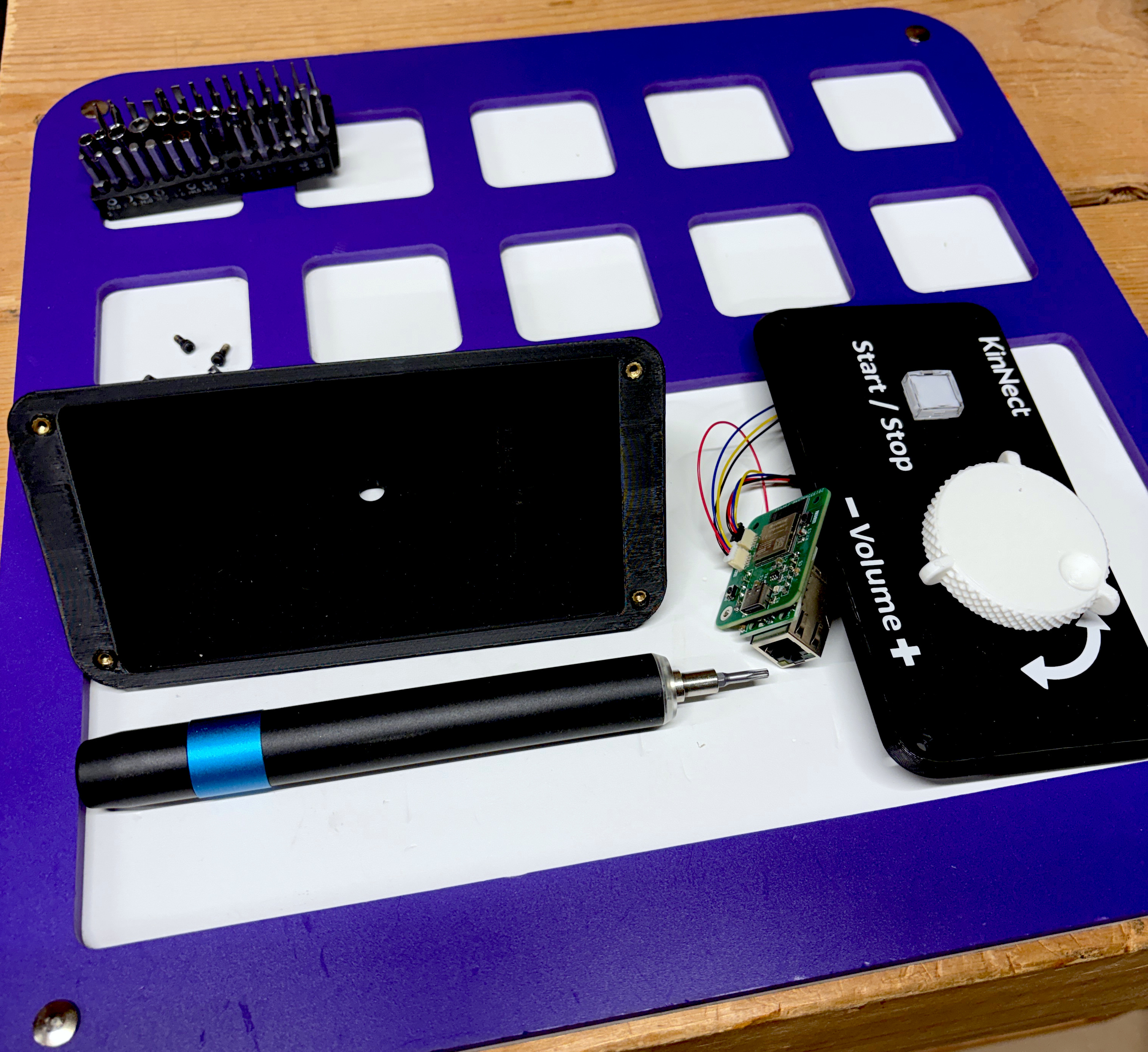
Every station in the workflow diagram exists to produce this: a printed enclosure, a Pi and Arduino wired and flashed, controls labeled and mounted, ready for burn-in.
A plan, not yet
a track record.
The plan is built and documented station by station, SOP by SOP, with KinNect's specific commands, tooling, and durations filled in against the generalized structure. We also planned the physical side of this: a dedicated setup for flashing SD cards and Arduinos at the volume this work actually needs, rather than doing it one device at a time off a laptop.
What's not built yet is the first batch running through it. That's the next milestone, and it's the point where this stops being a plan and becomes a track record.
Make the right way to build it the only way to build it, before the first unit ever goes through the line.
Have something
worth building?
We find the friction. We design the system. We build it, test it, and hand it off running. Every time.